
The Powerful Truth About Psilocybin and Mental Health
The Powerful Truth About Psilocybin and Mental Health
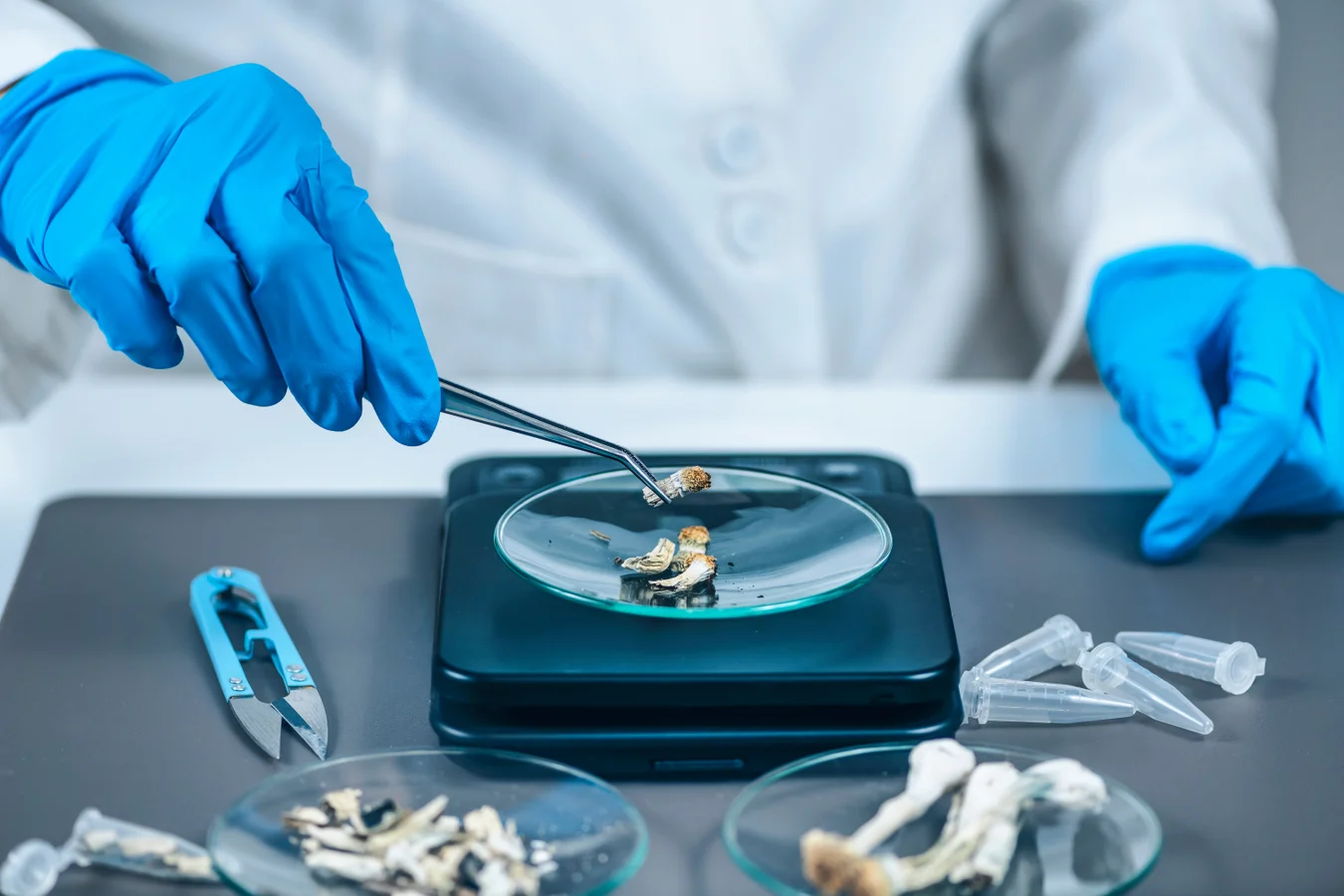
At the same time, the public conversation often moves faster than the evidence. Some headlines make psilocybin sound like a miracle treatment, while others ignore the important context that current research usually involves screening, clinical monitoring, structured support, and follow-up psychotherapy. For anyone interested in psilocybin and mental health, the truth is more nuanced: there is genuine scientific interest and some promising findings, but there are also meaningful risks, unanswered questions, and important legal and medical limits.
Read More Wellness Articles
What Is Psilocybin?
Psilocybin is a naturally occurring psychedelic compound found in certain mushroom species. After ingestion, the body converts psilocybin into psilocin, which affects serotonin signaling, especially at the 5-HT2A receptor. That receptor activity is part of why psilocybin can change perception, mood, cognition, and sense of self during the acute experience.
In the context of psilocybin and mental health, the compound is not being researched as a casual wellness shortcut. It is typically studied inside structured settings that involve preparation, monitoring during the session, and integration afterward. This distinction matters because many of the positive findings in the literature are tied not just to the substance, but to the full therapeutic environment surrounding it.
- Psilocybin is a psychedelic compound under active clinical investigation.
- It is commonly studied alongside psychological support or psychotherapy.
- Its effects can be intense, unpredictable, and emotionally significant.
- Current evidence does not justify unsupervised self-treatment.
Why the Research on Psilocybin and Mental Health Matters
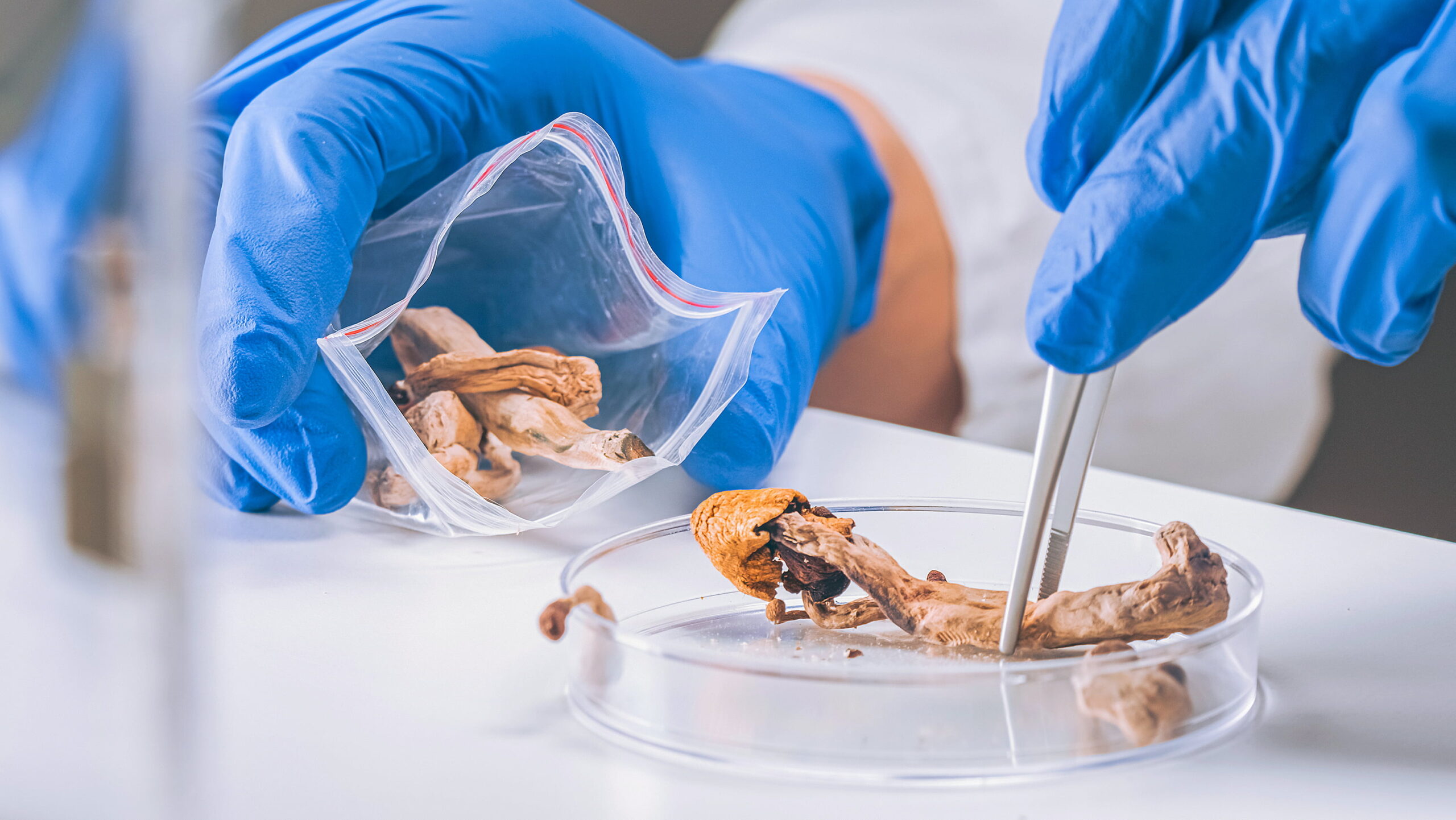
Mental health disorders remain difficult to treat for many people. Standard antidepressants can be helpful, but they do not work for everyone, and they often take weeks to show effects. That is one reason psilocybin research has attracted attention: some studies suggest rapid symptom improvement in certain patients, especially when psilocybin is paired with psychological support.
NCCIH summarizes a growing body of research suggesting psilocybin combined with psychotherapy may help depression in the short to medium term, while also emphasizing limitations in the evidence and the need for more certainty about durability and safety. Johns Hopkins similarly describes the field as promising but still early, with clear cautions that should not be ignored.
That makes psilocybin and mental health an important SEO topic because readers are actively looking for reliable explanations that go beyond hype. A useful article should not promise transformation. It should explain what is actually known, what remains uncertain, and why clinical context matters.
Psilocybin for Depression: What the Evidence Actually Shows
The Powerful Truth About Psilocybin and Mental Health.
The strongest public interest in psilocybin and mental health often centers on depression. According to NCCIH, a 2023 review and analysis of five studies in 215 people with depression found that psilocybin treatment combined with psychological support reduced depression symptoms for up to five weeks, though the agency notes there was not enough evidence to be certain benefits last longer. NCCIH also highlights a 2021 study in 59 people with depression that concluded psilocybin-assisted psychotherapy did not reduce symptoms better than escitalopram plus psychotherapy, while another 2023 study in 104 people concluded that single-dose psilocybin-assisted psychotherapy rapidly reduced symptoms within eight days, with benefits lasting six weeks.
This mix of findings is exactly why a balanced article matters. The story is not “psilocybin cures depression.” The more accurate takeaway is that psilocybin and mental health research has produced encouraging signals in depression, especially in controlled settings, but results are not uniformly superior to existing treatments and longer-term outcomes still need clearer answers.
Johns Hopkins has also reported follow-up findings suggesting antidepressant effects may last up to a year for some participants in earlier major depression work, but that does not mean the approach is broadly validated for self-directed use. It remains an area of active research, not settled routine care.
| Topic | What Current Research Suggests | Important Limitation |
|---|---|---|
| Major depression | Some studies show rapid symptom improvement with psychological support | Not all studies show superiority over standard treatment |
| Durability | Some follow-up results suggest effects may last weeks or longer for some people | Long-term evidence is still limited |
| Treatment setting | Positive results usually come from structured clinical environments | Findings do not automatically apply to unsupervised use |
Psilocybin for Anxiety and Existential Distress
Another important area in psilocybin and mental health research involves anxiety, especially anxiety and existential distress associated with serious medical illness. NCCIH reports that a 2020 analysis of four small studies in 117 people, most with life-threatening cancer, concluded that psilocybin combined with psychotherapy may be safe and effective for improving anxiety, depression, existential distress, and quality of life. However, NCCIH also stresses that the studies were small and had design limitations that may have biased conclusions.
Johns Hopkins likewise describes a small double-blind study in which a substantial majority of people with cancer-related anxiety or depression found considerable relief for up to six months after a single large dose given in a research setting. Again, the key phrase is in a research setting. That context is central to understanding the evidence honestly.
For SEO readers, this distinction builds trust. It keeps the article useful for search intent while avoiding exaggerated claims. People searching psilocybin and mental health want clarity, not oversimplified promises.
Other Mental Health and Behavioral Conditions Under Study
Research interest has also extended beyond depression and anxiety. NCCIH notes one study suggesting psilocybin may be helpful for alcohol use disorder: a 2022 study comparing psychotherapy plus two psilocybin sessions with psychotherapy plus placebo in 93 people found fewer heavy drinking days over 32 weeks in the psilocybin-assisted group, though blinding issues limit interpretation.
Johns Hopkins describes ongoing or planned work related to tobacco addiction, opioid addiction, PTSD, anorexia nervosa, alcohol use in people with major depression, and other conditions. These are not established uses; they are examples of how broad the scientific interest has become.
- Alcohol use disorder
- Tobacco dependence
- PTSD research interest
- Anxiety related to serious illness
- Treatment-resistant depression
That breadth is part of why psilocybin and mental health has become a major editorial topic. Still, readers should understand that “being studied” is not the same as “proven safe and effective for general use.”
How Psilocybin May Work in Mental Health Research
Researchers are still investigating the mechanisms behind psilocybin and mental health outcomes, but a few themes show up repeatedly. Psilocybin affects serotonin signaling, especially through 5-HT2A receptors. Research teams have also explored changes in connectivity and activity across brain networks during and after the psychedelic state. Johns Hopkins describes brain imaging work suggesting reduced activity in the claustrum and changes connected to attention, task switching, and sense of self. :contentReference[oaicite:9]{index=9}
In plain language, several researchers think psilocybin may temporarily disrupt rigid patterns of thought and open a window for new emotional processing, insight, or behavioral change. That hypothesis is part of why psychological preparation and integration are considered so important in studies. The session is not treated as a standalone “magic bullet”; it is usually part of a broader therapeutic process.
This framework also explains why the most responsible articles about psilocybin and mental health avoid simplistic before-and-after narratives. The potential value appears to depend on dose, screening, setting, therapist support, follow-up care, and patient selection.
Safety, Risks, and Side Effects
No article about psilocybin and mental health is complete without a serious risk section. NCCIH warns that adverse effects can include increased blood pressure and heart rate, headache, nausea, dizziness, fatigue, poor sleep, anxiety, paranoia, persistent psychosis, and hallucinations. It also says psilocybin is not safe for people with psychotic conditions such as schizophrenia, schizoaffective disorder, or severe forms of bipolar disorder and borderline personality disorder. NCCIH additionally warns about adulteration and the risk of confusing toxic mushrooms with psilocybin-containing mushrooms.
The agency also notes that some people report unpleasant experiences sometimes called “bad trips,” involving extreme fear, confusion, or panic. This is one reason research protocols use screening, controlled environments, and trained supervision.
- Potential acute distress, panic, or confusion
- Cardiovascular effects such as increased blood pressure and heart rate
- Psychiatric risk in vulnerable individuals
- Potential for persistent adverse psychological effects in some cases
- Additional danger from misidentified or contaminated mushrooms
These concerns are one reason FDA issued draft guidance in 2023 for sponsors developing psychedelic drugs for treatment of medical conditions, focusing on clinical investigation rather than broad consumer use.
Legal and Clinical Reality in 2026
Readers often assume that positive headlines about psilocybin and mental health mean widespread medical approval. That is not the case. The FDA has issued draft guidance to support the clinical investigation of psychedelic drugs, including psilocybin, for psychiatric disorders and substance use disorders. That is a sign of regulatory engagement with research, not blanket approval for routine treatment.
Johns Hopkins also describes the field as promising but early, and frames safety as a cornerstone of psychedelic research. The research setting matters. Clinical support matters. Patient screening matters. Public understanding is often behind on these distinctions, which is exactly why careful SEO content performs well: it answers the real question behind the query.
If someone is dealing with depression, anxiety, trauma, or another mental health concern, the safest recommendation is not self-experimentation. It is to speak with a qualified healthcare professional. NCCIH explicitly advises people not to use psilocybin to postpone seeing a health care provider about a medical or mental health problem.
Suggested Internal Links for Your SEO Silo
- Mental health resources
- Wellness blog hub
- Research explained: how to read health studies
- Depression support guide
- Anxiety support guide
- Psychedelic research explained
Recommended Outbound Sources
- NCCIH: Psilocybin for Mental Health and Addiction
- FDA: Psychedelic Drugs Clinical Investigation Guidance
- Johns Hopkins Psychedelic Research
- NEJM: Trial of Psilocybin Versus Escitalopram for Depression
FAQ: Psilocybin and Mental Health
Can psilocybin help depression?
Some studies suggest psilocybin combined with psychological support may reduce depression symptoms for some people, especially in controlled clinical settings. But evidence is still developing, and results are not uniformly superior to standard treatment.
Is psilocybin approved as a standard mental health treatment?
Not as a broadly approved routine treatment. Research is active, and FDA has issued guidance for clinical investigations, but that does not mean general approval for unsupervised use.
Is psilocybin safe for everyone?
No. It can cause distressing experiences and may be unsafe for people with psychotic disorders or certain other psychiatric vulnerabilities.
Why do studies use therapy with psilocybin?
Many trials pair psilocybin with preparation, monitoring, and integration because the therapeutic environment appears to be an important part of outcomes.
Should people self-treat with psilocybin for mental health?
This article does not recommend self-treatment. People with mental health concerns should consult qualified health professionals rather than delay care.