How to Read a Cannabis Label: THC %, Terpenes, Harvest Date & More
You pick up two jars of dried flowers. One says 24% THC. The other says 19%. The prices are close, the strain names sound alike, and the rest of the label is a block of small print in two languages. Which one do you choose?
Most people go with the bigger number. That’s understandable, but the label holds a lot more useful information than THC alone. Once you know where to look, it takes less than a minute to compare two products properly.
Why You Should Read a Cannabis Label
In Canada, legal cannabis labels follow Health Canada rules. Every legal product has to show certain details in the same way, no matter the brand. That makes comparing products much easier.
A label can tell you how strong a product is, what kind of product it is, how much is in the package, and when it was packaged. Some labels also list terpenes and the strain name. Put together, these details give you a clearer picture than a product photo or a description ever could.
THC Percentage and THCA Explained
This is the part most people find confusing, so it’s worth taking slowly.
THC vs THCA
Dried cannabis contains very little active THC. Most of it is in a form called THCA. THCA turns into THC when it’s heated, such as when a flower is smoked or vaped.
That’s why you’ll often see two numbers on a flower label. One shows THC as it is in the package, which is usually low. The other shows Total THC.
What Total THC means
Total THC is the amount of THC the product can deliver once it’s heated. It’s calculated from the THC and THCA in the product. This is the number to use when comparing cannabis flowers.
You may see it written as a percentage or in mg/g. For example, 200 mg/g is the same as 20%.
Why a higher number isn’t automatically better
THC tells you about potency. It doesn’t tell you about freshness, aroma, how well the flower was grown or cured, or whether you’ll enjoy it. Two products with the same THC can feel quite different, and people react differently to the same product.
If you’re new or haven’t used cannabis in a while, a lower THC product is often the more sensible place to start. Start low and go slow.
What Terpenes Tell You
Terpenes are natural compounds that give cannabis its smell and taste. They’re the reason one strain smells like citrus and another like pine or pepper. Similar compounds are found in many fruits, herbs, and other plants.
Here are a few you’ll see often:
- Myrcene: earthy, musky, sometimes fruity
- Limonene: citrus, like lemon or orange peel
- Caryophyllene: spicy, peppery
- Pinene: fresh pine or forest scent
Terpenes aren’t a required label item in Canada, so not every product lists them. When they are listed, they’re a handy way to compare aroma and flavour between cannabis flowers. If you liked the smell of one product, its top terpenes can help you find others with a similar profile. Just don’t treat terpenes as a promise of how a product will make you feel. That varies from person to person.
Understanding the Strain Type
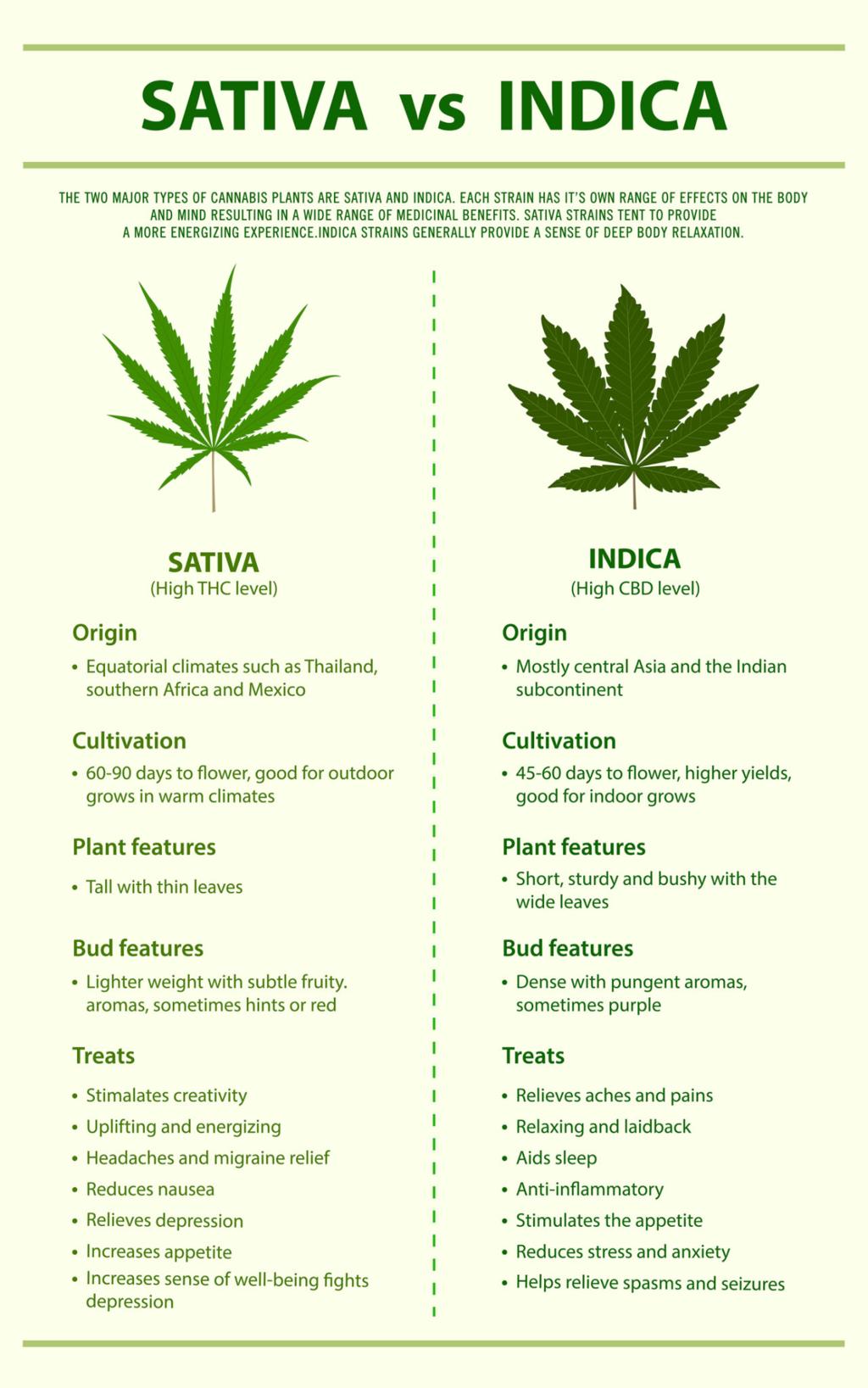
Most products are labelled indica, sativa, or hybrid.
- Indica traditionally describes shorter, bushier plants with wide leaves.
- Sativa traditionally describes taller plants with narrow leaves.
- Hybrid cannabis comes from crossing the two. Today, most strains on the market are hybrids of some kind.
These labels started as ways to describe how plants grow. They’re still useful for sorting products, but they don’t tell the whole story. Two hybrid cannabis strains can have very different THC levels and terpene profiles. When you compare products, look at the cannabinoid and terpene information along with the strain type, not instead of it.
Check the Harvest Date and Package Date
Dates are one of the most overlooked parts of a cannabis label.
- Package date: when the product was sealed. Legal Canadian labels must show this.
- Harvest date: when the plant was cut. This one is optional, so many labels leave it off.
- Testing date: rarely printed on the package. If it is shown, it tells you when the batch was tested.
Freshness matters most for dried flowers. Over time, flowers can dry out and lose some of their aroma and flavour. An older product isn’t automatically unsafe, but a more recent package date gives you a better chance of getting flowers in good condition.
If two options are otherwise similar, the newer date is often the better pick.
Look at the Product Weight and Format
The label tells you the class of product, such as dried cannabis, cannabis extracts or edible cannabis. In everyday terms, that might be:
It also shows the net weight or volume. For flowers, that’s usually in grams. For pre-rolls, check both the number of pieces and the weight of each one.
Weight matters when you compare prices. A 3.5 g jar and a 7 g bag can’t be compared fairly by sticker price alone. Work out the price per gram instead. It’s a small step that makes comparing cannabis flowers much more accurate.
Check the Batch Number and Testing Information
Every legal product has a lot or batch number. It links your package to a specific production run. If there’s ever a recall or a quality problem, the lot number is how that batch gets tracked.
Licensed producers in Canada must test cannabis for THC and CBD content, and for contaminants such as microbes and pesticides, before it can be sold. You usually won’t find a full lab report on the package, but the THC and CBD figures on the label come from that testing.
Also look for the provincial excise stamp, which shows the product came through the legal system. The label also includes the producer’s contact details, which you can use if you have a concern. Keep the lot number and package date handy when you do.
Does a Lower Price Mean Lower Quality?
Plenty of people search for cheap cannabis online, and that’s fair. Nobody wants to overpay. But a low price can reflect many things: smaller buds, a looser trim, a larger package size, or older stock. The price alone won’t tell you which.
Before deciding, compare:
- THC and other cannabinoid information
- Terpene profile, if listed
- Harvest or package date
- Product weight and price per gram
- Brand or producer
- Batch and testing details
A product that costs a little more but was packaged recently may be better value than a cheaper one that’s been sitting on a shelf for months.
What to Look for When Buying Craft Cannabis in Canada
When you see craft cannabis Canada listings, the term usually points to smaller producers. It often suggests small-batch growing, careful strain selection, hand trimming, and close attention to drying and curing.
“Craft” isn’t an official grade, though. There’s no single standard every producer has to meet. Some craft products are excellent, and some larger producers make very good flowers too. Use the same label checks either way: package date, THC, terpenes, weight, and producer details.
Reading Labels on THC Vape Pens
Vape labels work a bit differently from flower labels. If you’re comparing THC vape pens in Canada, check:
- THC concentration: often shown in mg/g or as a total amount
- Total amount of extract: the volume or weight inside the cartridge or pen
- Ingredients: cannabis extract labels must list them, so check for added flavours or carrier ingredients
- Terpene information: if listed, it may say whether terpenes are cannabis-derived or added
- Product format: cartridge, disposable pen or pod
- Package date and batch number
Vapes are often much stronger than dried flowers. Read the THC amount carefully and take your time.
A Simple Cannabis Label Checklist
- Check the Total THC and CBD.
- Look at the terpene profile, if it’s listed.
- Find the package date (and harvest date if shown).
- Check the weight and work out the price per gram.
- Confirm the product type and format.
- Note the lot number and look for the excise stamp.
- Compare the whole product, not just the THC number.
Always use cannabis responsibly and follow the rules in your province. The legal age is 19 in most provinces, including British Columbia, but it’s 18 in Alberta and 21 in Quebec. Never drive or operate machinery after using cannabis, and store products locked away from children and pets.
FAQs
What does THC percentage mean on a cannabis label?
It shows how much THC is in the product by weight. For flowers, use the Total THC number, since it includes THCA that turns into THC when heated. It’s a measure of potency, not overall quality.
Is higher THC always better?
No. Higher THC means more potency, but it says nothing about freshness, aroma, or how the flower was grown. Many people prefer moderate THC products, and new users are usually better off starting with lower amounts.
What are terpenes on a cannabis label?
Terpenes are the natural compounds behind cannabis aroma and flavour, like citrus, pine, or spice. Not every label lists them. When they’re shown, they help you compare products with a similar smell and taste.
How do I know if cannabis flowers are fresh?
Start with the package date, since it’s required on legal labels. A harvest date helps too, if it’s shown. Once opened, fresh flowers should smell clear rather than musty and shouldn’t crumble into dust.
What is the difference between THC and THCA?
THCA is the form found in raw and dried cannabis, and it doesn’t become THC until it’s heated. That’s why flower labels often show a low THC number next to a much higher Total THC number.
What should I check before buying cannabis in Canada?
Check the Total THC and CBD, package date, product type, weight and lot number, and look for the provincial excise stamp. If terpenes are listed, use them to compare aroma and flavour between similar products.